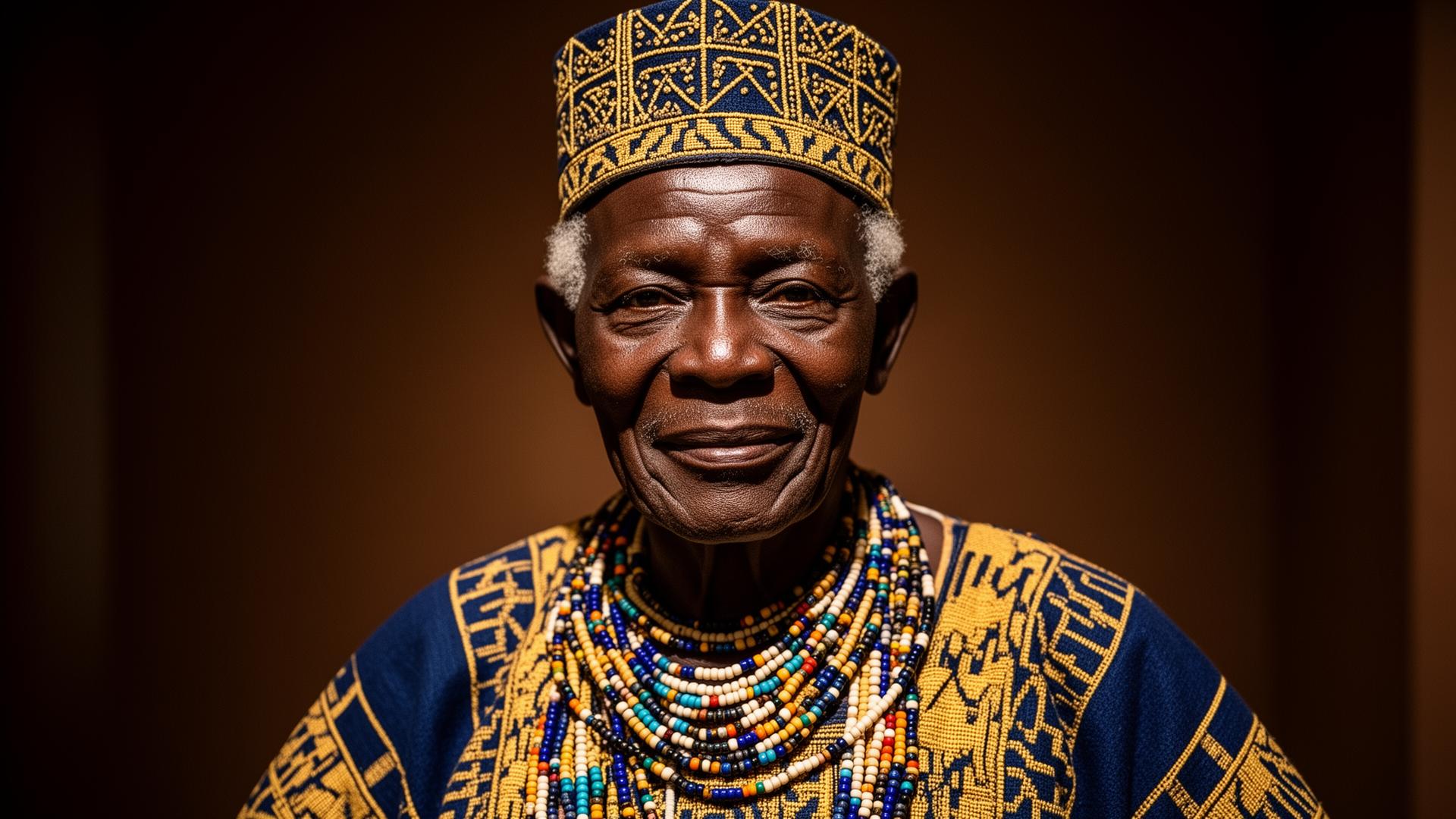
About the Jukun People
A noble people of central Nigeria — heirs to the ancient Kwararafa civilization that once shaped the politics, trade, and spiritual life of West Africa.
Wapan — the people who built Kwararafa
The Jukun, who call themselves Wapan, are an ethno-linguistic group of central Nigeria descended from the founders of the great Kwararafa Confederation — a medieval power whose influence once stretched from the Benue valley to the borders of Bornu and Kano.
Today the Jukun homeland centres on Wukari in Taraba State, with significant populations across Taraba, Benue, Plateau, Nasarawa, Gombe, Adamawa, and Bauchi states. Smaller communities exist in Cameroon. The Aku Uka of Wukari remains the paramount traditional ruler — a living symbol of an unbroken royal lineage.
The Jukun are renowned for their sacred kingship, the Puje and Nwonyo festivals, intricate cloth weaving, riverine fishing traditions, and a religious worldview that has fascinated historians, anthropologists, and theologians for over a century.
The Jukun in numbers
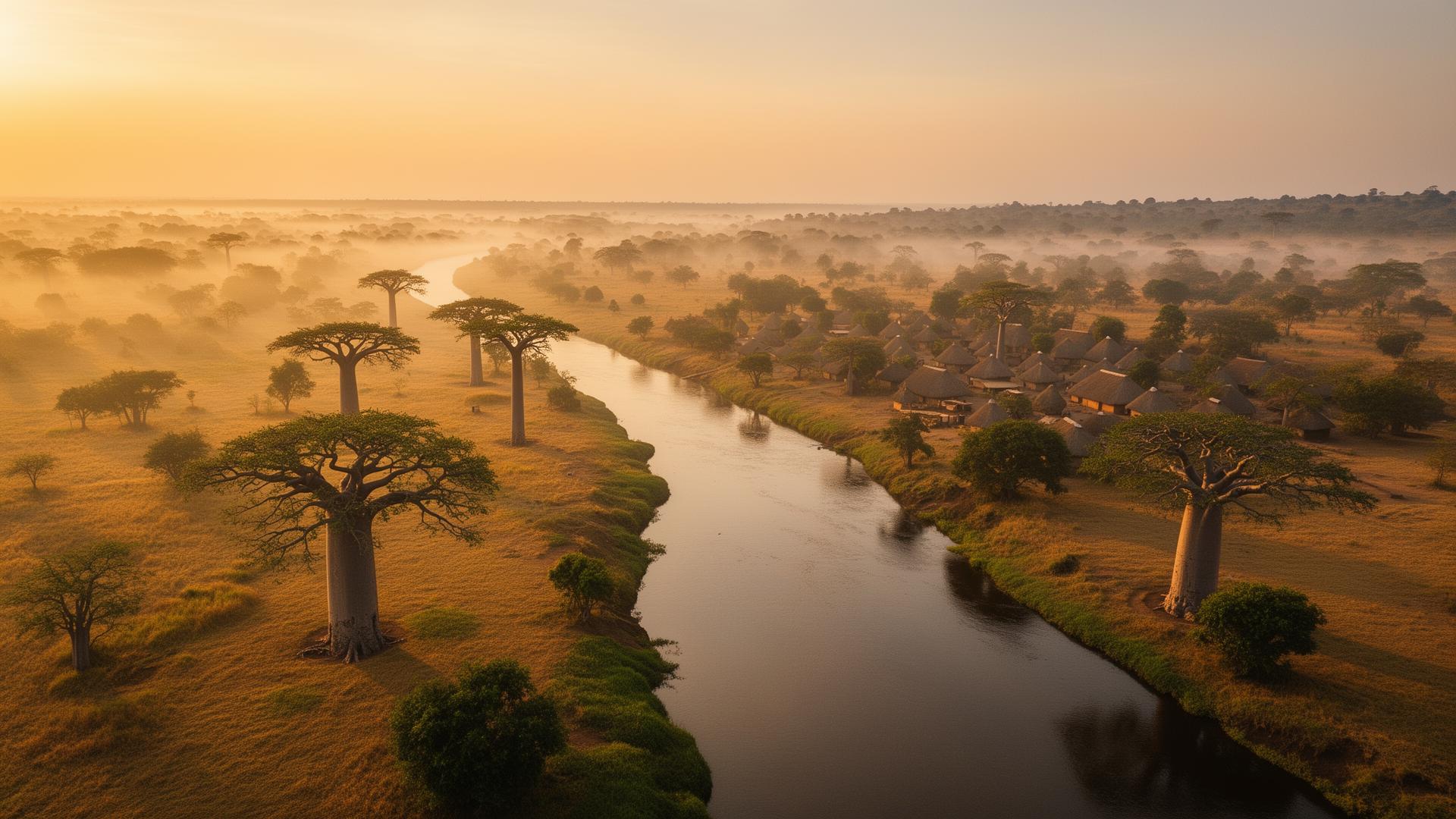
The Benue valley & beyond
The Jukun homeland is defined by the great Benue River and its tributaries — a fertile corridor of savanna, forested hills, and ancient market towns. Wukari, the seat of the Aku Uka, anchors a network of historic settlements including Pindiga, Kona, Kororofa, Jibu, Donga, and Takum.
This land has been the cradle of Jukun civilization for centuries — shaping a culture deeply attuned to rivers, sacred groves, and the rhythms of a royal calendar.